
Nebraska Badlands
Paleontological Expeditions for Educators
June 12th-19th, 2025
Mandatory Museum Workshop Training Session
March 1, 2025
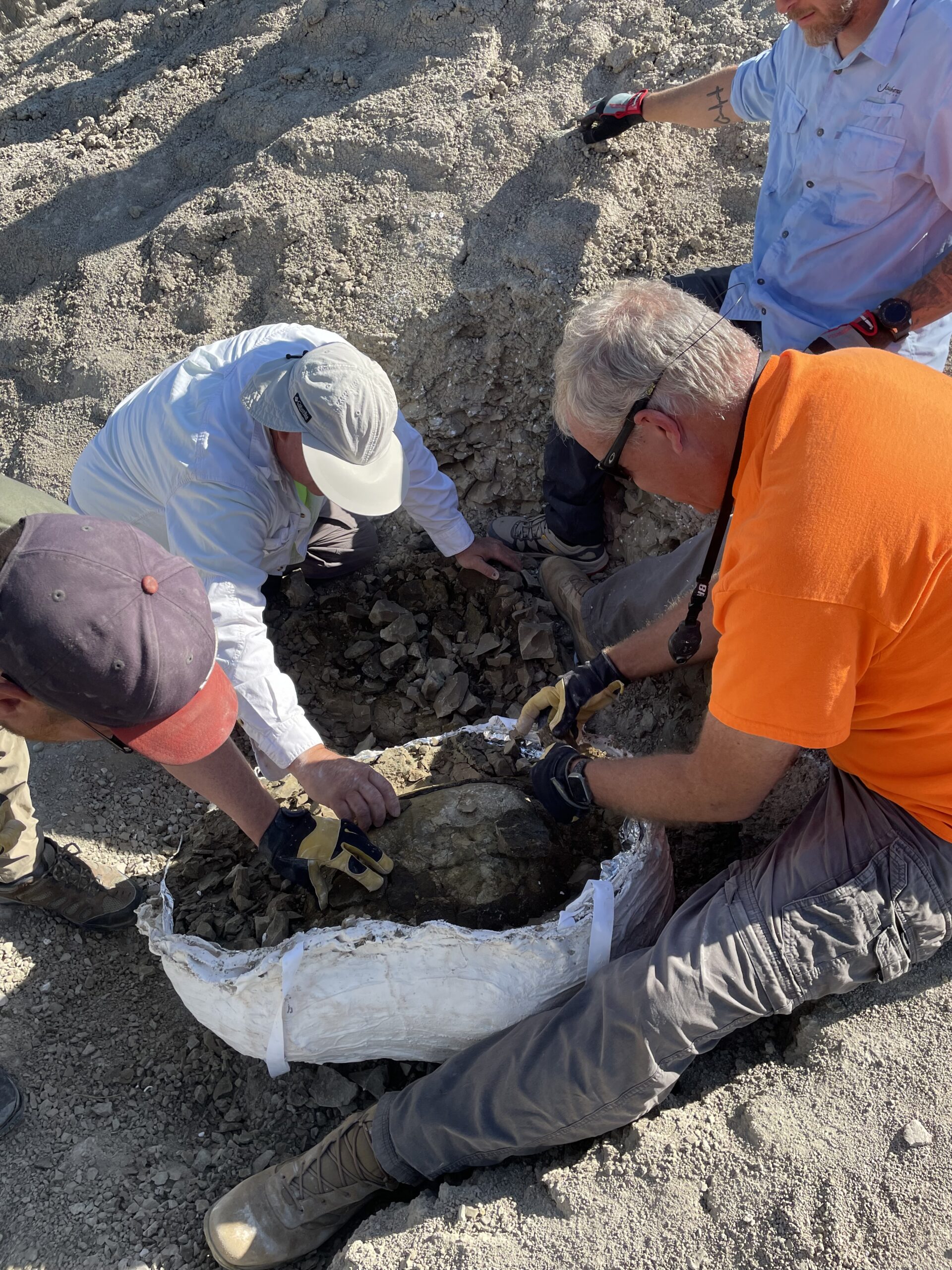
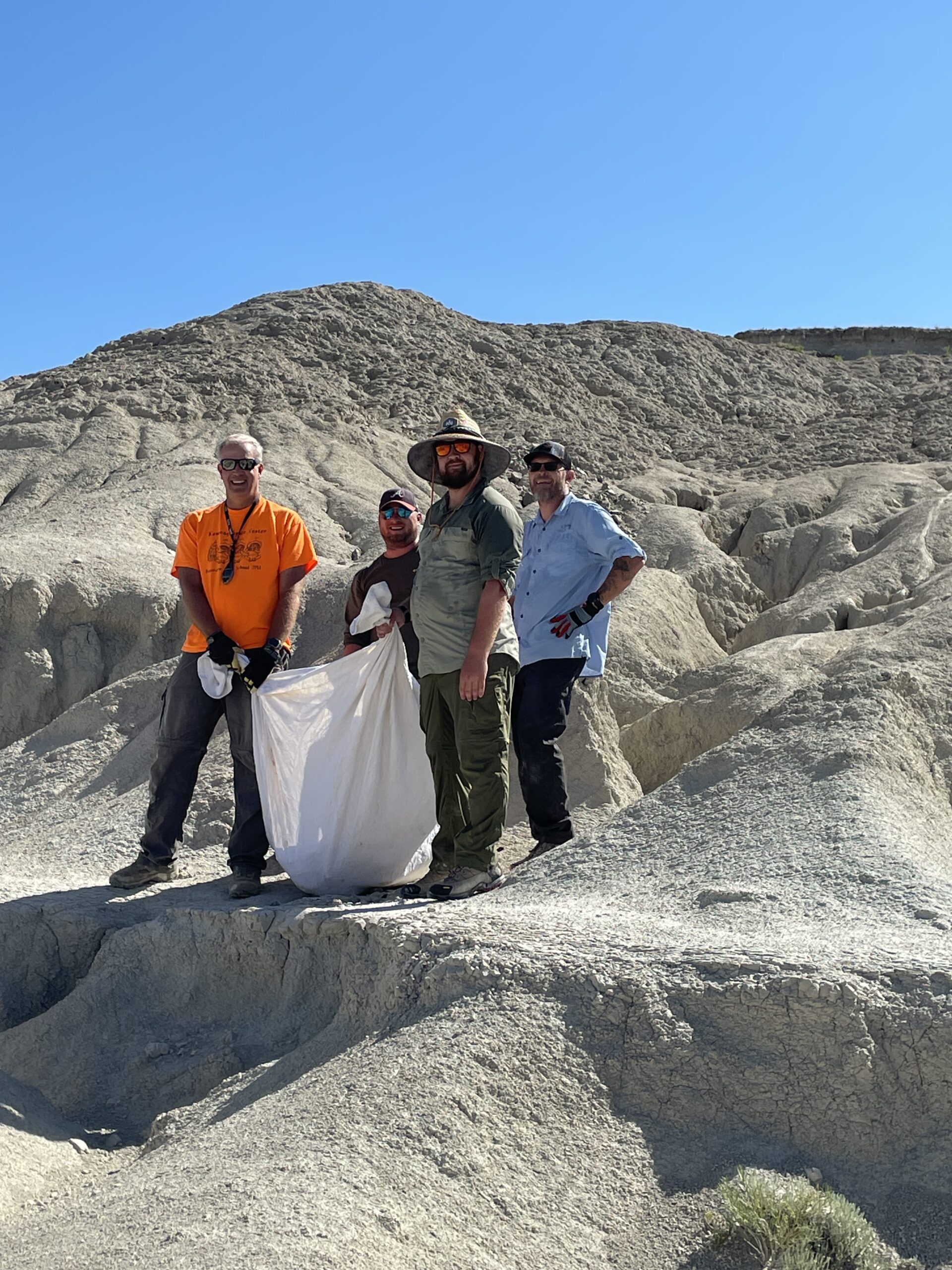
This year, the Toomey Foundation for the Natural Sciences and The Bishop Museum of Science and Nature are offering educators the opportunity to participate in an educational/scientific expedition to find and study Oligocene fossils in the Nebraska Badlands. As part of the expedition team, you will scout for, find, excavate, and study fossils in the White River Formation of northwestern Nebraska. The goal is to provide educators with an authentic scientific field experience, which will, in turn, be used to create more meaningful and unique science experiences and opportunities in the classroom.
Background
Paleontology, the study of fossils, provides us with insight into Earth’s geological, ecological, and evolutionary history. Through this professional development experience, you will learn the scientific process firsthand, immersing yourself in content and adding a new dimension to your teaching repertoire.
The Oligocene Epoch (~24 to 38 million years ago) was a time of remarkable change. The planet cooled during this epoch. In central North America, wooded ecosystems gave way to more open grasslands. Browsing (leaf-eating) mammals saw their numbers decline, while grazers (grass-eating) mammal populations increased. Some herbivorous mammals (like the ancestors of today’s horses) evolved longer limbs, enabling them to run faster in newly open prairies. Florida was also affected by this change. Sea levels dropped as ice sheets to the north expanded, and Florida began to emerge from the sea. Land-dwelling animals migrated to the new peninsula, taking advantage of a new terrestrial ecosystem. Many species we dig in the Badlands were also found in Florida.
The Badlands are internationally famous for having the richest deposits of Oligocene mammals known, including rhinoceroses, tapirs, early horses, horned deer, hippopotamus and dog ancestors, and the “false” saber-toothed cats. The area is especially noted for Oreodonts, which scientists believe were distantly related to pigs, hogs, camels, hippopotamuses, and the pig-like peccaries. Digging in the Badlands ensures that you will find great fossils.
The Experience
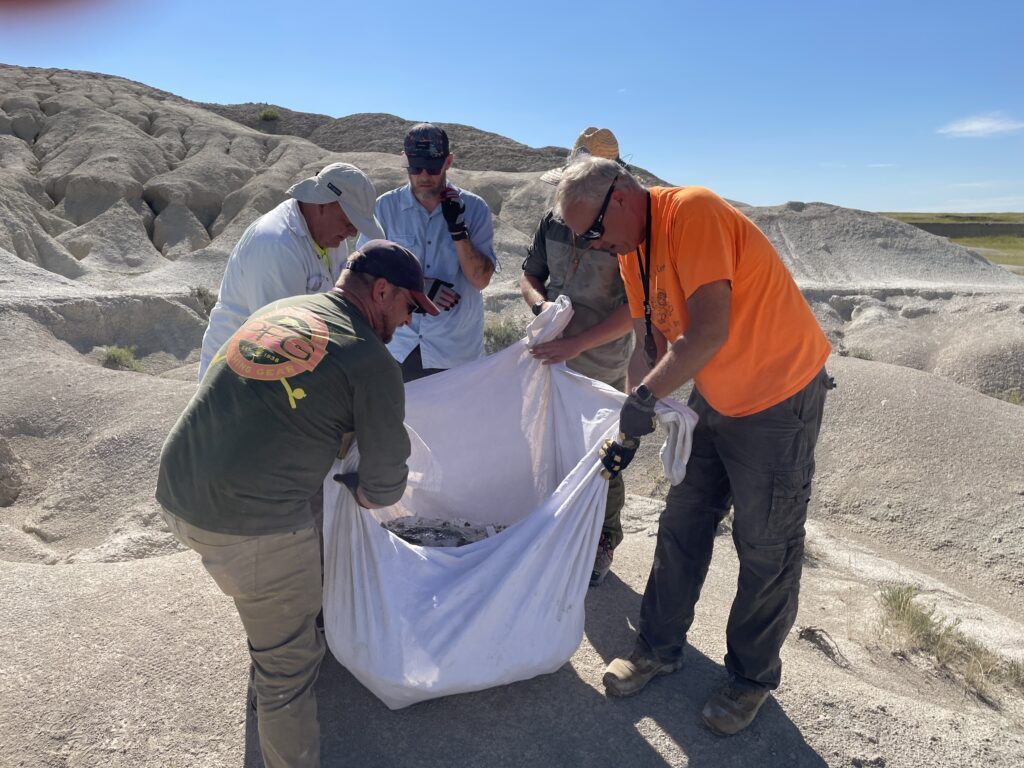 Let us be honest: digging fossils out of the ground during summer in the Badlands is hot, challenging work. The name “Badlands” should be taken literally. The terrain is sometimes steep, and hazards do exist. You should consider participating in this experience only if you are fit enough to endure 6-8 hours of strenuous activity in summer/high desert conditions over a week. You will be walking over rough ground, climbing or scrambling in rocky areas, carrying a pack with supplies and tools, and riding in trucks and on ATVs. You should also be able to lift 50 pounds.
However, your hard work will be rewarded. The site we will be working on is fossil-rich.
Unless the specimen is considered rare (i.e., a new species or a perfect specimen), you will get to keep what you find. In this case, the Toomey Foundation has the right of first refusal. We’ll provide a half-day workshop at the museum to acquaint you with your tools and practice basic excavation and jacketing techniques. This mandatory expedition workshop is designed to help you gain some comfort for when you hit the ground in the Badlands. But do not worry. You will have experienced guides throughout the experience to help excavate your fossils.
You won’t spend the entire week in the field. We’ve scheduled some time to explore local historical sites and museums. The accommodations are not fancy but clean. The food options are limited and mostly meat and potatoes. There will not be fast food options or multiple grocery stores for shopping. Please note that special diets can be challenging to accommodate. Vegetarians and vegans have survived the trip in the past, supplementing their diet with prepared foods brought from home.
Application Details
This year, we can accommodate up to 8 teachers. If more than eight teachers express interest, selection will be based on a lottery. If you are not selected this year, you will be placed on the list for next year’s expedition.
To participate in this expedition, please submit an email indicating your desire to participate and how your experience will be shared with students and other educators to Gabrielle Meyer at gmeyer@bishopscience.org using the subject line Nebraska Fossil Expedition. Please provide your name, the school and grade level/subject(s) you are currently teaching, your cell phone number, the number of years you have been teaching, and any special health and dietary considerations we need to be aware of.
The Toomey Foundation will pay for your lodging, food, and ground transportation during the expedition (including to and from the airport), as well as field equipment and side trips.
You must get yourself to Rapid City, South Dakota. A search of flights from Tampa to the Rapid City Regional Airport shows round-trip fares starting at around $700. Of course, you may take a 2,000-mile road trip and drive to the site. Please do not make travel arrangements until you have received official notification that you have been accepted on the dig team. This acceptance will happen after the Nebraska Expedition workshop in March.
The Toomey Foundation leases the land on which we’ll be digging. You must sign a waiver accepting full responsibility for your health and safety before heading out into the Badlands.
Applications will be accepted until February 22, 2025. Please email Gabrielle Meyer at gmeyer@bishopscience.org with any questions.